President Trump put negotiations with Iranian officials back at the center of U.S. policy on July 24, then warned China and Russia against entering the Iran conflict. Crude fell on Friday for the first time in a week as that signal reached markets.
The investable question is now more demanding than whether officials are willing to talk. Can diplomacy change the risk facing commercial ships in the Strait of Hormuz, restore confidence in oil flows, and ease the inflation pressure already affecting interest-rate expectations?
The market needs evidence beyond a diplomatic signal
Trump said China and Russia were not participating in the Iran conflict and warned of severe consequences if they did. That may reduce the immediate chance of a wider confrontation if the warning holds. It also makes the talks more fragile, because a broader conflict would put shipping and energy supply under greater pressure.
Oil prices reflect physical supply, but they also reflect the chance that supply could be interrupted. A public return to negotiations can trim that second part of the price if traders see a lower near-term risk of escalation. That helps explain why crude could decline before there is proof that oil is moving more freely. The week had brought gains before Friday's reversal.
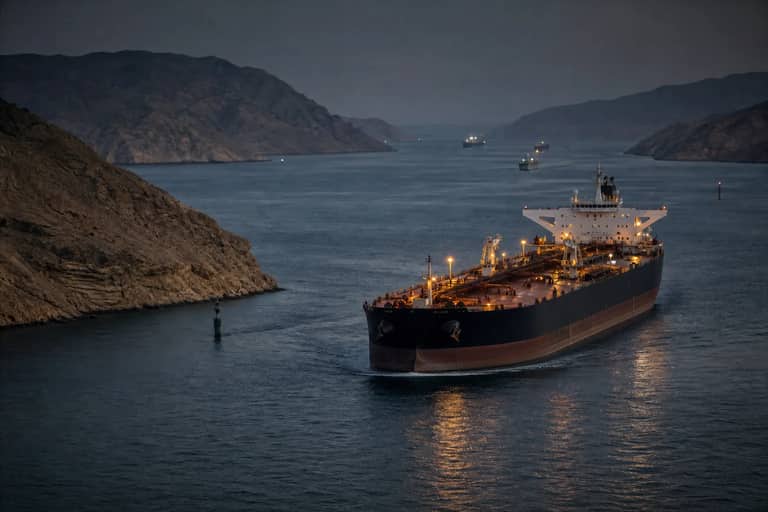
Physical conditions remain the harder test. Ships must be able to enter the waterway, secure insurance, carry cargoes and complete their routes. Commercial vessel movement through Hormuz is the clearest near-term measure because it shows whether businesses see the route as manageable. A statement from Washington or Tehran does not by itself change those commercial decisions.
- A formal Iranian commitment would give the negotiating channel more weight than a public appeal.
- New involvement by China or Russia would test whether the conflict can remain contained.
The distinction carries through the energy market. Lower crude prices can reduce pressure on fuel-intensive businesses and consumers. Yet a short decline cannot establish a lasting ceiling for fuel costs when shipping remains the central unknown.
Why a softer crude session does not settle inflation
Energy costs feed into the broader economy through transportation, industrial activity and household fuel bills. The research points to pressure from prior disruption that has already reshaped expectations for interest rates. A softer session may ease one concern, but it does not erase price effects already felt across the economy.
Rate-sensitive parts of the market have the most to gain if lower energy costs feed into lower inflation pressure. That chain has several links. Prices must stay lower, shipping conditions must improve, and the reduction in energy stress must be large enough to affect the wider outlook.
A more useful sign would pair sustained easing in crude with better shipping conditions. If prices fall while vessel movement remains constrained, traders may simply be assigning a lower chance of immediate escalation. That is weaker than a real improvement in supply access.
The reverse also holds. A renewed rise would not identify one clear cause on its own, but it would show that supply risk has not been put aside. The key issue would be whether pressure follows trouble on the water, a setback in negotiations, or signs that the conflict is broadening.