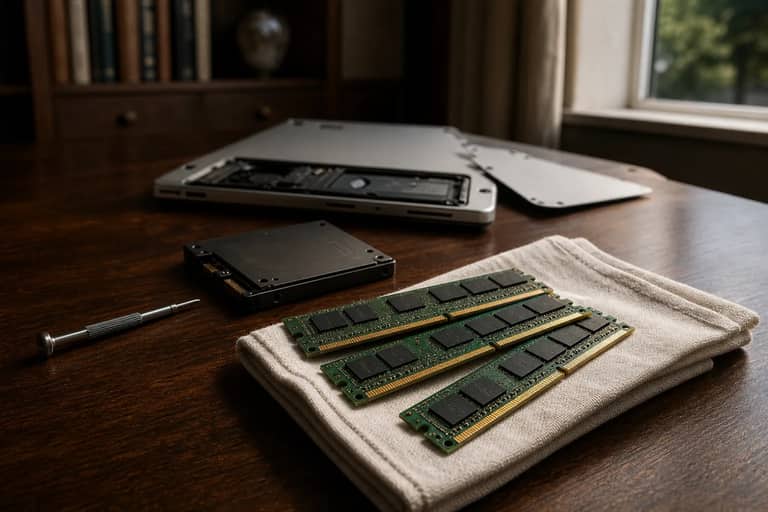
For most of the past 20 years, computers got cheaper. Each new laptop did more than the last one and often cost less. That pattern has broken. The memory chips inside every PC, phone and tablet have become far more expensive, and those costs are now showing up on store shelves.
The reason is the artificial intelligence buildout. Data centers are buying enormous amounts of memory, and the handful of companies that make it are steering their factories toward those higher-paying customers. The result is record profits for memory makers and rising prices for households, along with a sharp drop in how many computers are being sold.
- Bureau of Labor Statistics: consumer prices for computers and peripherals rose 8.4% in the 12 months through August, the fastest pace since late 2021, in a category where prices usually fall.
- IDC: worldwide PC shipments fell 20.1% from a year earlier in the third quarter, to about 62.7 million units, as higher memory costs pushed up prices and buyers held back.
- Micron: average selling prices for its main memory chips rose about 180% in the fiscal year that ended Sept. 3, lifting its gross margin to 81% from 40% a year earlier.
Why memory got so expensive
Memory comes in two main types. DRAM is the working memory that lets a device run programs. NAND flash is the storage that holds your photos, files and apps. Only three companies make most of the world's DRAM: Samsung, SK hynix and Micron.
AI servers need huge quantities of both, especially a specialized, high-performance kind of DRAM. Because those chips earn far more per wafer, suppliers have been shifting production toward servers and away from the ordinary memory used in laptops and phones. Micron even shut down its long-running Crucial consumer brand to focus on data center customers.
The research firm TrendForce, which tracks contract prices between chipmakers and device makers, expects conventional DRAM prices to rise another 10% to 15% in the fourth quarter and NAND flash prices to rise 15% to 20%. Those gains are smaller than earlier in the year, but they come on top of increases that were already steep. TrendForce also warns that the supply of PC memory could shrink further in 2027 as more capacity moves to servers.
Record profits at the chipmakers
The numbers at the memory makers are unlike anything the industry has seen. Micron reported revenue of $133.2 billion for its 2026 fiscal year, up from $37.4 billion the year before, according to its annual report filed with the SEC. In its latest quarter alone, revenue reached $54.2 billion, and the company guided to about $61.5 billion for the current quarter. Micron said it expects supply and demand to be "much tighter" in fiscal 2027 and 2028 than in 2026.
Samsung Electronics said in preliminary guidance on Oct. 8 that its third-quarter operating profit reached a record of about 107.4 trillion won, roughly $80 billion, on sales of about 195 trillion won. It was Samsung's fourth straight quarterly profit record.
But the same chip prices that are lifting Samsung's memory business are hurting its other divisions. Korean analysts estimate that Samsung's smartphone unit lost money in the quarter, and that its TV and appliance businesses posted combined losses, because they have to buy the same expensive components. That split is a useful picture of the whole economy right now: the companies that make memory are winning, and the companies that have to buy it are squeezed.
Who is paying for it
PC makers sit on the wrong side of that trade. HP said on its August earnings call that personal computer revenue rose 18% in its latest quarter even though units fell 16%, because it raised prices and sold more high-end machines. Its PC operating margin slipped to 4.6%, and management said memory and storage would keep taking a bigger share of the cost of each computer. HP expects its PC margins to bottom in the quarter ending this month before improving next year.
Shipments tell the rest of the story. According to IDC's preliminary count, Lenovo, HP and Dell each shipped between 22% and 31% fewer PCs in the third quarter than a year earlier. Apple's PC shipments fell about 11%. IDC said many vendors stocked up early in the year to get ahead of price hikes, which pulled demand forward and left the third quarter weaker than usual.
The price increases are now reaching consumers directly. The Bureau of Labor Statistics index for computers and peripherals is up nearly 13% since December. TrendForce reports that smartphone makers have been raising retail prices to cover higher memory costs, and that some PC brands are cutting storage in mainstream models to keep prices down. On personal finance and PC-building forums, the common complaint is that upgrading has become expensive and many people are simply waiting.
What investors should watch
Samsung will release its full third-quarter results, with details by division, later this month, and SK hynix is expected to report in late October. Micron's next report comes in December. The key questions are whether contract prices keep rising into 2027 and whether consumer demand weakens enough to slow them.
Memory has always been one of the most cyclical businesses in technology. Shortages lead to high prices, high prices lead to new factories, and new factories eventually lead to oversupply and falling prices. Samsung is expanding production lines in Korea, and new Chinese capacity is coming online. Acer's chief executive has argued that PC prices could start falling in the second half of 2027 as that supply arrives. Micron points to multiyear agreements with large customers, backed by more than $12 billion in customer deposits, as a sign this cycle will last longer. Investors should treat both views with caution. These stocks have already risen enormously, and they tend to fall hard when the cycle turns.
For the device makers, the question is how long they can raise prices without losing more buyers. HP is leaning on business customers and premium AI-ready PCs to protect revenue. If consumer demand keeps sliding, margins could stay under pressure longer than they expect.
What it means for your household
If you need a new computer or phone, do not expect a return to last year's prices soon. IDC said retailers carrying extra inventory could offer some promotions, but it expects prices to stay elevated. Watch for holiday sales, and compare the memory and storage in each model, since some cheaper machines now ship with less of both.
If your current device works well, it may pay to keep it longer. Adding storage, replacing a worn battery or buying a certified refurbished model can cost far less than a new machine. Most everyday tasks, such as email, video calls and web browsing, do not require the latest hardware.
For investors, many broad index funds already hold large positions in chip companies, so check your exposure before adding more. A single memory stock can swing widely as the cycle moves.
The bottom line is that the AI boom is no longer only a story about data centers. It has changed the cost of the computers and phones that households buy, and that shift has lasted for several quarters, not weeks. Memory makers are earning record profits, device makers are raising prices, and consumers are paying more or waiting longer to upgrade. This article is general information, not personalized financial advice.