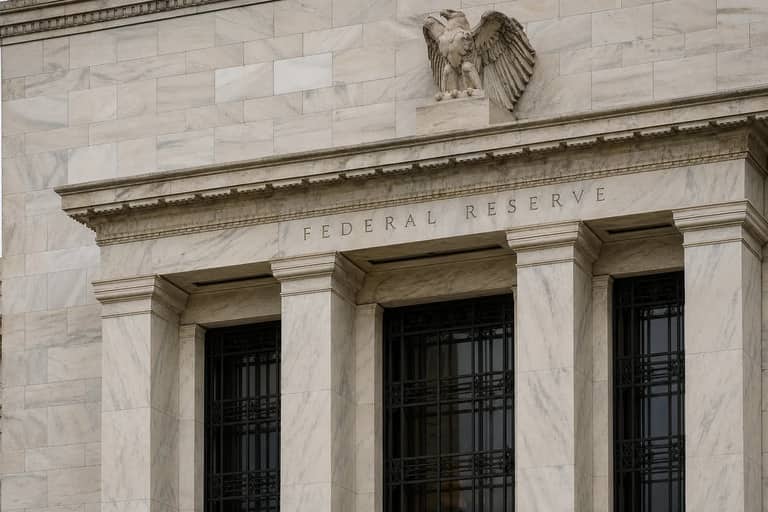
The Supreme Court ruled today, by a 5 to 4 vote, that President Trump cannot remove Federal Reserve Governor Lisa Cook while her legal challenge plays out. The administration moved to fire her last year over allegations tied to her mortgage paperwork, and she sued to keep her seat. For now, she stays.
The legal point matters more than the personality. The court left the Fed's for-cause removal protection in place, which means a governor cannot be pushed out simply because the White House dislikes the central bank's decisions. The justices drew that line specifically at the Fed, even while granting the President more room over some other independent agencies.
Why a court ruling moved the tape.
A central bank that can be fired for raising rates is not really independent. Investors who buy 10-year and 30-year bonds are lending money for a long time, and they demand that the people setting interest rates care about inflation more than about the next election.
Take that protection away, and the worry is straightforward. A Fed pressured to keep rates low would let inflation run hotter, and lenders would demand higher long-term yields to compensate. That fear has been sitting inside the bond market for months. Today's ruling drained some of it out.
What it means for rate-sensitive assets.
The clearest tie is to long-dated Treasuries. The iShares 20+ Year Treasury Bond ETF holds bonds with an average maturity beyond two decades, which makes its price extremely sensitive to long-term yields. When the market fears a politicized Fed, that fund tends to fall. A ruling that protects independence removes one reason to push those yields up. The 10-year yield, which sat near 4.39% on Friday, is the level to watch as the news settles in.
Gold, trading back above $4,000 an ounce, has been the other side of the same trade. Part of its long climb has been a hedge against exactly this kind of institutional erosion. A win for Fed independence weakens one pillar of the gold case, though it is far from the only one, since the metal pays no income and moves on many forces at once.
Stocks read the decision as a steadying force. The S&P 500 and Nasdaq both rose to open the week, helped along by a separate easing in Middle East tensions. Removing a tail risk does not start a rally on its own, but it clears one worry off the board.
What to watch from here.
This was a ruling for now, not a final verdict. The underlying case continues, and the makeup of the Fed board remains a live question into next year. The more immediate test is data. A holiday-shortened week brings job openings on Tuesday, private payrolls and factory activity on Wednesday, and the June jobs report pulled forward to Thursday. Those numbers, not the courtroom, will set the next move in rates. The court just made sure the people reacting to them answer to the data first.