A split tape
Most of the market spent Tuesday in the red. The Nasdaq Composite fell 1.16% to 25,819 as semiconductor stocks sold off for a second straight session. The S&P 500 slipped 0.45% to 7,504. The Dow closed at 52,925, backing off the record it set on Monday.
One corner went the other way. US natural gas exporters climbed while almost everything else fell. The reason was more than 7,000 miles from Wall Street, in the water off Oman.
What happened in the strait
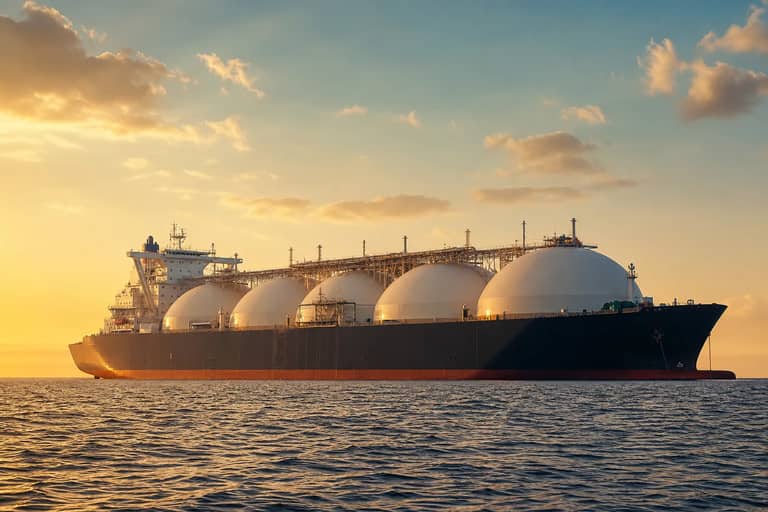
Before dawn, a projectile struck the Al Rekayyat, a Qatari tanker loaded with liquefied natural gas, as it exited the Strait of Hormuz near Limah. The ship caught fire and sent out a distress signal. A laden Saudi oil tanker was damaged in the same stretch of water. Maritime authorities raised the threat level for vessels transiting the strait to severe.
The attack tests a fragile arrangement. Washington and Tehran agreed in late June to reopen the waterway after a three-month conflict that had sent energy prices soaring. Tuesday was the biggest day of attacks in the strait since that deal was struck.
Why gas exporters led, not oil majors
Hormuz is the single most important chokepoint in the global gas trade. About one fifth of the world's liquefied natural gas passes through it, and almost all of that cargo is Qatari. When the ships carrying it start getting hit, buyers in Asia and Europe go looking for supply that never touches the strait.
That supply comes from the US Gulf Coast. Cheniere Energy is the largest American LNG exporter and the second largest producer in the world, running the Sabine Pass and Corpus Christi terminals. Its cargoes sail from Texas and Louisiana, not the Persian Gulf. The stock rose 3.6% to about $255 on a day the market fell, and it still sits roughly 15% below the average analyst price target near $302.
Venture Global climbed 6.8% to about $12, the sharper move of the two. The younger exporter carries a $28 billion market value and has been volatile all year, trading between $5.72 and $18.18 over the past 12 months. NextDecade, which is building its Rio Grande terminal in South Texas, added 2.9%.
The trade underneath the headline
A single tanker strike does not rewire the gas market. US benchmark natural gas prices have actually fallen since the strait first closed in late February, because domestic storage is full and there is a limit to how fast exports can ramp. Henry Hub averaged under $3 per million BTU this spring.
The pricing power is offshore. European and Asian gas benchmarks jumped 35% to 50% during the earlier closure, and any hint that Qatari cargoes are at risk again pushes global buyers toward long-term US contracts. That is the real prize for Cheniere and its peers. Not a one-day price pop, but customers signing 20-year deals to lock in supply that avoids Hormuz entirely.
Oil told a smaller version of the same story, rising toward $70 during the session and climbing further after the close. For now the market is treating Tuesday as a scare, not a shutdown. If the attacks continue, the safe-supply premium sitting inside US gas exporters gets bigger, not smaller.