The Warning
The National Highway Traffic Safety Administration put driverless-car makers on notice this week. Its message was blunt. A vehicle that cannot safely interact with first responders is a danger to the general public.
The agency pointed to a pattern, not a single crash. It documented robotaxis driving into active emergency scenes, blocking ambulances, and failing to react to flashing lights, flares, smoke, and traffic cones. NHTSA labeled the problem a "functional insufficiency" and set a short clock. It will meet with developers by the end of this month to hear fixes, and it warned it will use its enforcement power on companies that do not respond.
That last line matters most. Enforcement can mean recalls, forced software changes, or limits on where these cars operate. For an industry that sells the promise of scaling fast, a federal brake is the risk investors have mostly ignored.
Why Alphabet Sits at the Center
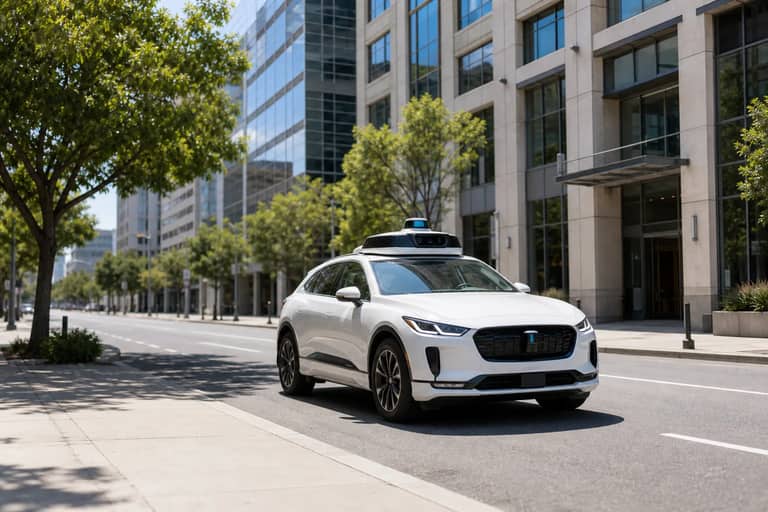
The company with the most on the line is Alphabet, which owns Waymo. Waymo runs the largest paid robotaxi fleet in the country, and scale cuts both ways. More cars on more streets means more chances to be caught in exactly the situations NHTSA described.
The specifics are not vague. A Waymo vehicle in Dallas partially blocked a route fire trucks were using to reach a burning apartment building in late May. San Francisco's fire chief logged 55 separate cases of robotaxis interfering with emergency responses in a single year. In December, a power outage left more than 1,500 Waymo vehicles disoriented at once, swamping the company's remote-help system.
Waymo is a rounding error inside Alphabet's income statement today, buried in the "Other Bets" segment. But it is a large piece of the story investors tell about the stock. Alphabet trades near $355, carries a $4.3 trillion market cap, and sells for about 27 times earnings and 10 times sales. Those are premium multiples for a company that prints a 38% net margin on its core search and cloud business. The robotaxi arm is supposed to be the next leg. A regulatory ceiling on how fast it can grow chips at that narrative, even if it barely dents this year's profit.
Tesla Has the Most Priced In
If Waymo has the most cars, Tesla has the most expectation. The stock trades near $399 with a $1.5 trillion market cap, and its valuation only works if you believe in a business that is still small today.
The numbers show how much faith is baked in. Tesla changes hands at more than 120 times trailing EBITDA and about 15 times sales. Its return on equity sits below 5%. On current earnings, the price-to-earnings ratio runs into the hundreds. A car company does not support those figures. A robotaxi and software company might, which is exactly why the driverless story does so much lifting.
That makes federal scrutiny a direct hit to the part of the thesis holding up the price. Tesla's robotaxi service is newer and smaller than Waymo's, so it has fewer documented incidents so far. But the NHTSA order covers the whole industry, and it arrives just as Tesla tries to widen its service. Slower approvals and tighter operating rules would push the payoff further out, and a stock priced this richly has little room for the payoff to slip.
The Names That Get Hit Less
Not every robotaxi play carries the same risk. The asset-light platforms look better positioned than the fleet owners.
Uber is the clearest example. It does not build the cars. It dispatches rides, and it partners with Waymo to put driverless trips inside its own app in several cities. Uber trades near $74 with a $151 billion market cap, an 18 times earnings multiple, and a forward growth ratio below 1, which is cheap for a company still growing bookings. If robotaxis scale, Uber routes them. If regulators slow the buildout, human drivers keep filling the gap. Either path feeds the same app. Lyft, a fraction of Uber's size at about $6 billion, follows the same logic on a smaller stage.
Amazon owns Zoox, its own driverless unit, but at a $2.6 trillion market cap the robotaxi arm is a side project next to retail and cloud. The regulatory news barely moves the math on a company that size.
What to Watch From Here
The near-term signal is the end-of-month meetings. If the companies show NHTSA credible fixes and the agency backs off enforcement talk, this stays a headline and not a catalyst. If NHTSA follows through with recalls or operating limits on a major fleet, the repricing lands on the names carrying the most robotaxi expectation, and Alphabet and Tesla top that list.
The longer signal is tone. For years, federal policy treated driverless cars as an industry to encourage. This order reads as an industry to police. That shift, more than any single blocked ambulance, is what investors in the AV trade should be watching.