20%.
That's what the United States plans to charge every ship that passes through the Strait of Hormuz.
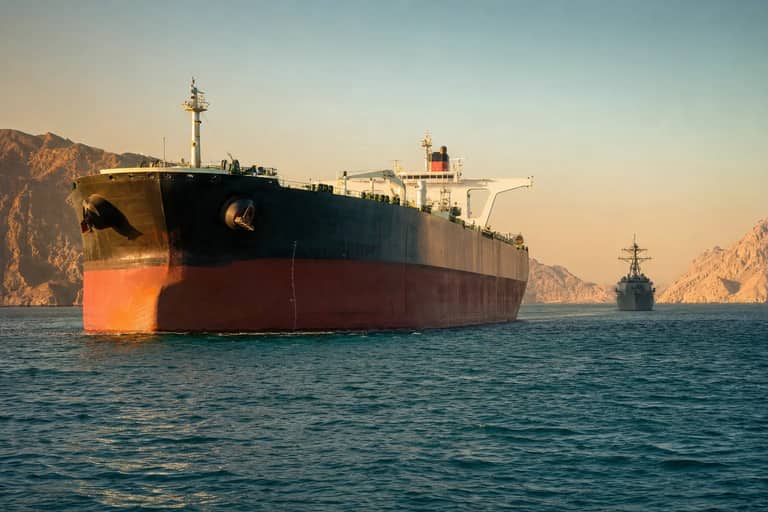
President Trump announced Monday that the U.S. will impose a 20% toll on all cargo transiting the strait and reimpose the naval blockade of Iranian ports lifted under June's now-collapsed ceasefire. The International Maritime Organization opposed the move within hours, calling it a violation of freedom-of-navigation principles. Markets didn't wait for the legal debate. Brent crude posted its biggest single-day jump in months, settling near $78.
About 20 million barrels of oil pass through Hormuz every day. A 20% fee on the cargo value, even partially enforced, reprices the global energy supply chain overnight. Tanker operators pass the cost to refiners. Refiners pass it to consumers. The inflation trend that looked like it was finally cooling just picked up a new accelerant.
June CPI Is Already Stale
The Bureau of Labor Statistics released the June Consumer Price Index at 8:30 AM Tuesday, and it came in cooler than expected. Headline inflation fell to a 3.5% annual rate from May's 4.2%, below the roughly 3.9% economists had penciled in. The decline is almost entirely gasoline: pump prices dropped about 10% in June after the ceasefire reopened Hormuz shipping lanes.
That ceasefire is dead. Oil is climbing again. Core inflation near 2.6% tells the underlying story, and the Fed knows one quiet month built on a temporary energy windfall is not a trend.
Five Banks Report This Morning
JPMorgan, Wells Fargo, Citigroup, Goldman Sachs, and Bank of America all release Q2 results before the bell. Morgan Stanley follows Wednesday. Wall Street expects strong trading and dealmaking revenue, but every forward guidance comment will be filtered through a Hormuz lens. If higher energy costs are already compressing consumer credit quality or widening loan-loss provisions, the conference calls will surface it first. Net interest margin is still the number that separates the winners.
Who Benefits From the Toll
Under sanctions alone, producers like Exxon and Chevron won on price. A transit fee adds a layer: shipping companies collecting the flow and defense contractors patrolling the strait both move up in the food chain. Airlines, refiners, and anything importing through the Persian Gulf get squeezed further.
The question is enforcement. Charging a toll on international waters requires the Navy to act as both traffic cop and tax collector. That has never been tested at this scale.
Watch Today
June CPI landed cool at 8:30 AM. Five bank earnings before the open. Brent near $78 after Monday's surge. Futures are mixed: Dow and S&P slightly lower, Nasdaq slightly higher. The sequencing matters. If the banks beat, the market will try to rally through the Hormuz overhang, but the toll now stands as a fresh inflation headwind just as June's relief fades.