What Apple and Intel Are Discussing
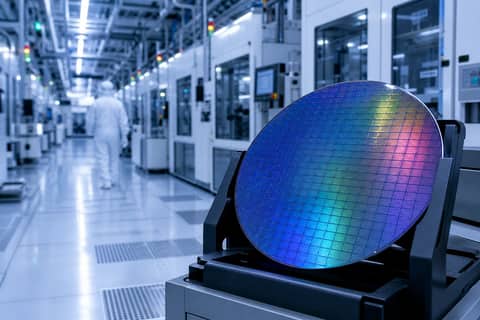
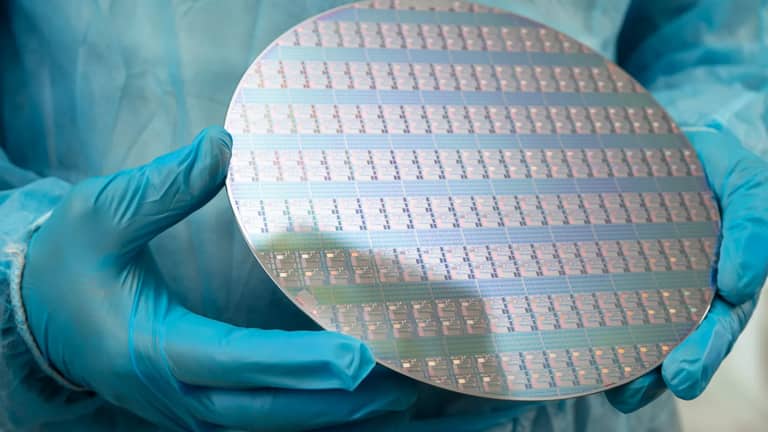
Apple currently relies on TSMC in Taiwan to build nearly all of its custom chips. The new discussions would add Intel (and possibly Samsung) as additional manufacturing partners. The goal: reduce Apple's dependence on a single supplier and satisfy the Trump administration's push for domestic chip production.
Apple CEO Tim Cook committed $600 billion to U.S. manufacturing through the American Manufacturing Program. Using Intel's foundries would be a concrete step toward that pledge. But the talks are still early stage. There is no guarantee they lead to a deal.
The Bigger AI Chip Picture
Intel's surge is part of a broader reshaping of the semiconductor industry driven by AI demand. Gartner projects that global semiconductor revenue will grow 64% in 2026 to $1.32 trillion. Memory chips alone could nearly triple, jumping from $216 billion to $633 billion. Micron reported earnings that jumped 8x year over year last quarter, with guidance pointing to 10x growth in the current period.
Storage demand is surging too. Western Digital's SanDisk unit posted revenue up 251% year over year. The common thread: AI data centers need massive amounts of memory and storage to train and run large language models.
What Is Driving This Wave
The current demand cycle goes beyond basic AI training. Companies like Amazon, Alphabet, and Microsoft are spending tens of billions on AI infrastructure. Oracle alone is on track to spend roughly $50 billion in capital expenditures this fiscal year, more than double last year.
The next phase is agentic AI, where software can plan and complete tasks without human involvement. That requires significantly more computing power than today's chatbots. TSMC management says this trend will drive another wave of chip demand. The company is ramping production of its smallest 2-nanometer chips in the second half of 2026.
The Takeaway
The AI chip trade is no longer just about Nvidia. Intel's comeback, the memory chip explosion, and the packaging bottleneck at TSMC are creating winners across the semiconductor supply chain. Intel's Apple talks could reshape the foundry business if they progress. But even if they do not, the broader demand story remains intact. Semiconductor revenue heading toward $1.3 trillion tells you everything you need to know about where the market sees AI spending going.