What the Deal Would Look Like
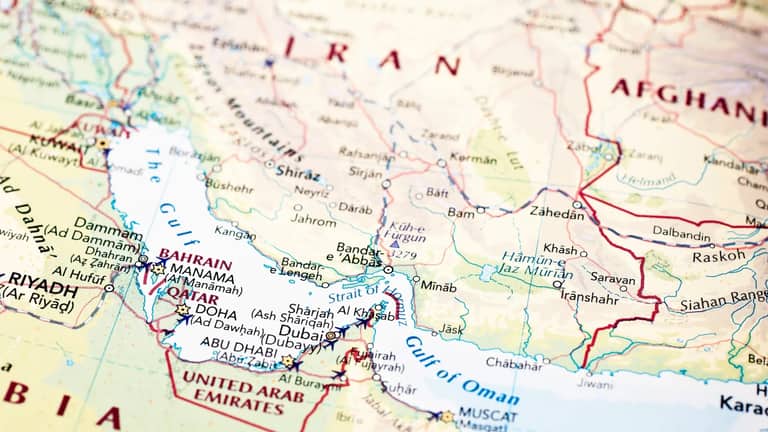
The framework is a one-page memo. Iran would agree to stop enriching uranium for at least 12 years and hand over roughly 440 kilograms of uranium enriched to 60%. In return, the U.S. would lift sanctions, release billions in frozen Iranian assets, and both sides would reopen the Strait of Hormuz to commercial shipping.
A 30-day window would follow the signing. During that period, both governments would work out the details on nuclear inspections, troop withdrawals, and reparations. Iran also wants guarantees against future strikes and an end to fighting in Lebanon.
Ceasefire Under Strain
The ceasefire from April 8 is technically still in place. Neither side has declared it dead. But U.S. and Iranian forces exchanged fire in the Strait of Hormuz on Thursday, making the diplomatic window feel smaller by the hour. Brent crude jumped above $102 on the news.
Foreign Minister Abbas Araghchi pushed back against what he called American pressure tactics. President Trump, meanwhile, threatened intense bombing if a deal is not reached soon. That kind of rhetoric from both sides has been a pattern throughout this conflict.
What It Means for Oil and Markets
The war has disrupted roughly 14 million barrels per day of global oil supply, according to the IEA. Oil prices have climbed more than 50% since the conflict began on February 28. Gas prices have pushed past $4.50 per gallon nationally.
Energy stocks have been the clear winners. ExxonMobil and Chevron are both up around 40% year to date. Defense stocks, surprisingly, have lagged. Lockheed Martin is actually down about 4% this year, breaking an 80-year pattern where defense names led during wartime.
Some analysts warn that markets are underestimating the recession risk from this oil shock. If a deal falls through and Hormuz stays closed, $120 oil is back on the table.
The Takeaway
The next 24 to 48 hours matter more than any point in this conflict so far. A deal would likely send oil prices sharply lower and lift the broader market. A breakdown would do the opposite. Watch for Iran's official response. That single decision will set the tone for energy prices, inflation expectations, and stock market direction through the summer.