The stock market is sitting near record highs. Its biggest winners are not. That gap is the story most headlines are missing.
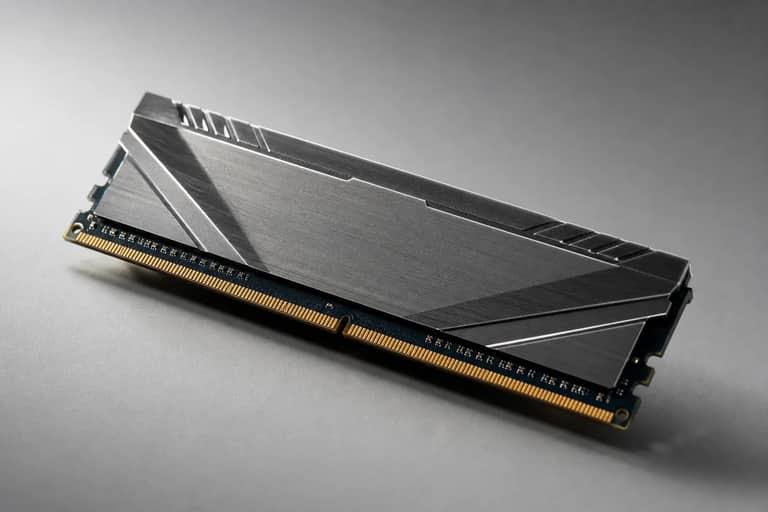
Micron (MU), one of the biggest gainers of the past year, has fallen more than 20% from its recent high. Nvidia (NVDA) and the rest of the AI-hardware group have wobbled with it. The businesses are still booming. The stocks stopped following.
This is positioning, not fundamentals
Micron's numbers are strong. Memory chips are the bottleneck feeding the AI buildout, and the company is riding gross margins near a record as prices climb. Micron and Nvidia sit at the center of a chip-profit boom running into the hundreds of billions of dollars.
So why did the stock pull back? Because the good news is already in the price. When a stock triples and nearly everyone who wanted to own it already does, there is no one left to buy the next great quarter. The selling starts on the smallest excuse.
That excuse arrived. Nvidia's next-generation "Rubin" chips have raised questions about how long today's memory shortage lasts, and once profit-taking begins in a crowded trade, it tends to feed on itself.
Goldman flags a rare reversal
This is bigger than one chip stock. According to Goldman Sachs data, the market's momentum factor, a basket of the recent winners, just logged one of its steepest three-week reversals on record. History says that when the most crowded trade unwinds, it unwinds fast.
The iShares MSCI USA Momentum Factor ETF (MTUM), which charges a 0.15% expense ratio and holds whatever has been working lately, is the simplest way to see it. The fund rebalances into the winners, which means it buys them high and, in a sharp reversal, gets caught holding the exact names the crowd wants to dump.
The warning under the surface
Two voices this week put a finer point on the risk. Tech investor Chamath Palihapitiya warned that runaway AI usage costs, what he called "tokenmaxxing," will start to hit corporate earnings, and that many executives "have no idea" how fast those bills are growing.
Gabriela Santos, chief market strategist for the Americas at JPMorgan Asset Management, made a similar point from the other side. She said AI infrastructure spending is squeezing software companies and told investors to stay selective as AI stocks turn more volatile.
Both are saying the market is starting to ask a new question. Not whether AI is real, but who pays for it and who actually profits.
What it means for a portfolio
A crowded trade is a strength on the way up and a weakness on the way down. The names that ran the furthest have the most air underneath them, and they fall fastest when the crowd heads for the exit at once. A bounce on any given day does not change that math.
The lesson is not that the AI story is over. It is that owning only the winners is its own kind of risk. Concentration feels like conviction on the way up and like a trap on the way down. The stocks that led the market up are not guaranteed to lead it out.