Late Sunday the deal came through.
The U.S. and Iran confirmed a framework agreement to end more than 100 days of conflict and reopen the Strait of Hormuz. A formal signing ceremony is expected Friday in Switzerland. Crude responded instantly: WTI gapped sharply lower, down around 5% and back into the low $80s, with Brent falling in step. Futures are pointing sharply higher.
What matters:
- Oil fell roughly 5% overnight after the U.S. and Iran announced a ceasefire framework, the first confirmed agreement since the April truce collapsed
- Kevin Warsh chairs his first FOMC meeting starting tomorrow, with a 4.2% headline CPI that was almost entirely oil-driven now meeting crude back in the low $80s
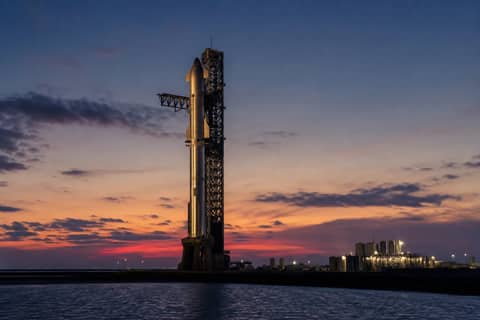
- SpaceX extends its gains in its second session while smaller space rivals sell off sharply on competitive repricing
The deal is the headline. The FOMC is the trade.
Friday we argued the peace framework was premature and the energy positioning was too early to unwind. The deal is now confirmed. The inventory deficit and depleted reserves we flagged still exist. But the geopolitical premium that held crude above $85 is draining out of the barrel this morning.
What matters more for the next 72 hours sits in Washington, not Switzerland.
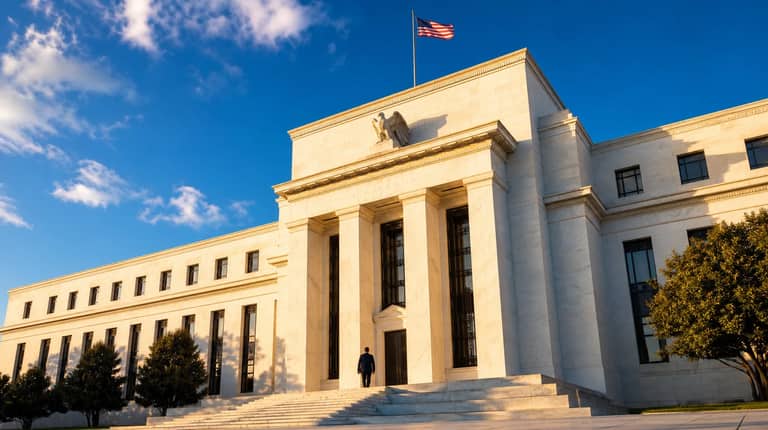
Kevin Warsh takes the chair for the first time tomorrow.
He was sworn in May 22 and has said almost nothing publicly about current policy since. The June 16-17 FOMC meeting is his first chance to define the tone of his tenure. And the inputs he walked in expecting to face shifted overnight.
A 4.2% headline CPI is still on the board. But the data showed core CPI at just 2.9%, with the monthly print below expectations. Strip the energy surge out and underlying inflation was not accelerating. We covered that split in detail last week.
Now the energy component is reversing. If oil holds in the low $80s through the measurement window, the June headline CPI that prints next month could look dramatically different from May's 4.2%. Gasoline surged 40% year over year in the May reading. With crude now well below its recent peak, that base effect shifts hard.
The dot plot projections officials submit this week reflect data through Sunday. Whether Warsh's press conference Wednesday afternoon reflects what happened Monday morning is the real question.
Markets are pricing near-certainty that the Fed holds rates at 3.50% to 3.75%. That is settled. What moves is the language around the next move and the number of officials projecting a hike later this year. A month ago, futures priced roughly 63% odds of a quarter-point hike by December. If the deal holds and oil stays lower, that probability compresses fast.
The 10-year yield is easing slightly this morning, back toward the mid-4.40s. It has room to fall further if Warsh signals the oil-driven overshoot does not require a policy response.
The most direct beneficiaries of cheaper crude are already in motion.
Delta Air Lines is higher in premarket. Fuel is the second-largest expense for every major carrier, and jet fuel tracks crude closely. Every $10 drop in the per-barrel price saves the airline group hundreds of millions on an annualized basis. DAL closed Friday at roughly $83, within pennies of its 52-week high, after nearly doubling from its low below $46. Record travel demand drove the rally. Elevated fuel costs were the one thing holding margins below historical norms.
United Airlines closed Friday near $116, within 3% of its 52-week high around $119. Both carriers trade well above their lows from nine months ago. A sustained decline in crude toward the low $80s changes the margin math without requiring a single new booking. It reprices what the existing demand is worth.
Consumer discretionary names benefit from the same mechanics. Every dollar not spent at the pump is a dollar available elsewhere. That rotation showed up the last time oil pulled back to the mid-$80s in late April before the ceasefire collapsed. If this pullback holds, the consumer tailwind has more room.
Gold is sending a quieter signal.
The metal is up modestly, holding near record highs. A peace deal that eases inflation expectations should remove the safe-haven bid. But lower inflation expectations also mean lower real rate expectations, and gold tracks inversely with real yields. Those two forces are pulling in opposite directions, which explains why bullion barely moved while crude crashed around 5%.
The other premarket story is the SpaceX shakeout.
SpaceX is climbing again in its second trading session after closing at $161 Friday. But the smaller space companies that rallied on the broader sector thesis are selling off hard. AST SpaceMobile, Firefly Aerospace, and Intuitive Machines have all dropped double digits since the debut.
When the dominant platform in a sector goes public at scale, it reprices every competitor. Capital that was spread across speculative names now has a liquid, institutional-grade option. That reallocation may have further to run.
This is a four-day trading week. Markets close Friday for Juneteenth. The FOMC decision and Warsh's press conference land Wednesday afternoon, leaving one session to digest before the long weekend. Compressed weeks with a Fed decision at the center tend to pull volatility into a narrow window.