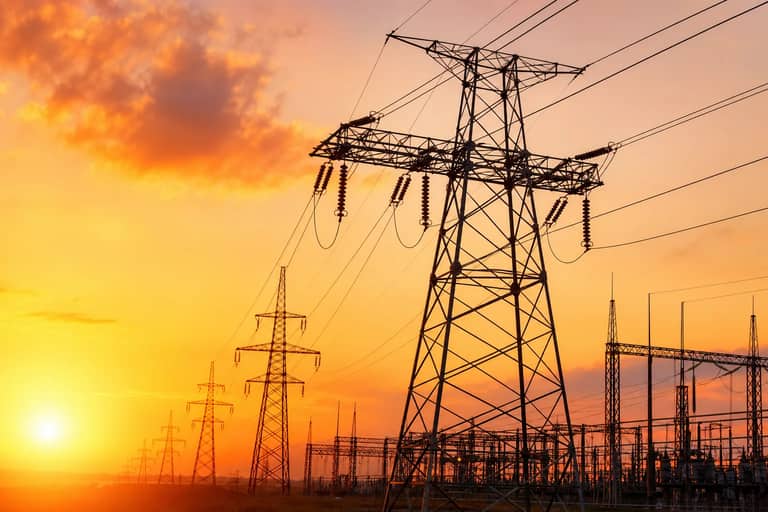
The best utility stocks right now are NextEra Energy, Southern Company, Duke Energy, Constellation Energy, American Electric Power, Sempra and Vistra.
American Electric Power alone has signed agreements for 63 gigawatts of added load by 2030. That is a striking sign of how data centers, factories and electrification are changing a sector once known mainly for slow growth and dividends.
This list favors companies with real power demand, approved or credible investment plans, and a path to earn returns on new grid and generation assets. It is not an income-only list.
How We Picked These Stocks
We screened large U.S.-listed electric and gas utility operators, plus power producers with direct exposure to rising electricity demand. Each pick needed a market value above roughly $50 billion, a clear current listing, a large regulated asset base or contracted generation portfolio, and a disclosed growth plan. We favored companies serving fast-growing regions or holding reliable power assets. We excluded funds, private operators, tiny utilities, and stocks whose case depends mainly on a high dividend yield.
The Best Utility Stocks
NextEra Energy (NYSE: NEE)
Why it made the list: NextEra combines Florida Power & Light, one of the country’s largest regulated utilities, with a major renewables and storage developer. Its energy-resources backlog stood near 33 gigawatts after the first quarter, while management still targets adjusted earnings growth above 8% through 2032. The company also has a large data-center hub strategy and development work tied to new gas generation in Texas and Pennsylvania. That gives it more growth paths than a typical regulated utility.
The bull case: Florida population growth, new large-load tariffs and long-term clean-power contracts could support years of asset growth. The proposed combination with Dominion Energy could broaden its reach in fast-growing Southeast and Mid-Atlantic markets.
The risk: The proposed Dominion combination needs several regulatory approvals and is not expected to close until the second half of 2027. Large development plans also require heavy capital spending and reliable access to debt and equity markets.
Key number: 33 GW renewable and storage backlog
Southern Company (NYSE: SO)
Why it made the list: Southern owns regulated electric utilities across the Southeast and a large gas distribution business. Its plan calls for $120 billion of investment from 2026 through 2030, including new generation, transmission, resilience work and maintenance. The company has 10 gigawatts of state-regulated new resources under construction. That scale gives Southern a direct way to turn rising demand into a larger base of regulated assets.
The bull case: Growth in Georgia and other Southeast markets can support steady spending on the grid and new power supply. Nuclear generation at Plant Vogtle also provides around-the-clock carbon-free power when large customers want reliability.
The risk: Regulators must allow Southern to recover its large investment program through customer rates. A weaker economy, slower data-center demand, or pushback on electricity bills could reduce the return on new projects.
Key number: $120B planned investment through 2030
Duke Energy (NYSE: DUK)
Why it made the list: Duke serves fast-growing parts of the Carolinas, Florida and the Midwest. It had secured 7.6 gigawatts of economic-development projects under electric service agreements by the first quarter of 2026. Management expects adjusted earnings per share to grow 5% to 7% annually through 2030. Duke also completed $5.3 billion of strategic transactions to strengthen its balance sheet and help fund growth.
The bull case: Data centers and industrial projects can spread the cost of new grid assets across a larger customer base. Duke’s customer-protection framework is designed to keep large-load growth from shifting too much cost onto households.
The risk: Duke faces sizable construction needs, storm exposure and regulatory scrutiny over rate increases. The growth case weakens if large-load projects are delayed or consume less electricity than planned.
Key number: 7.6 GW under service agreements
Constellation Energy (Nasdaq: CEG)
Why it made the list: Constellation is the leading U.S. nuclear power operator and is built around reliable, carbon-free generation. That makes it unusual among utility stocks because it can sell firm power directly into markets where data centers and industrial customers need electricity around the clock. The company reaffirmed its 2026 adjusted operating earnings outlook after reporting first-quarter adjusted operating earnings of $2.74 per share. Its recent additions include solar, gas generation and a cleared data-center co-location application in Texas.
The bull case: Long-term contracts for nuclear power could make cash flows more visible and reduce exposure to daily power-price swings. Demand for reliable clean generation may also support life extensions, uprates and nuclear restarts.
The risk: Constellation is more exposed to wholesale power markets than a traditional regulated utility. Nuclear outages, weak power prices, or delays in major projects can have a larger effect on earnings.
Key number: $11 to $12 2026 adjusted operating earnings outlook
American Electric Power (Nasdaq: AEP)
Why it made the list: AEP has one of the country’s largest transmission networks and operates in several high-growth power markets. Its new-load commitments are backed by signed agreements with industrial customers, hyperscalers and data-center developers. Management expanded its five-year capital plan and now expects operating earnings growth of 7% to 9% a year, with a rate above 9% expected through 2030. The core investment case is simple: more contracted demand requires more wires, substations and related grid assets.
The bull case: AEP’s transmission footprint puts it near the center of the grid buildout. Its load agreements also include cost offsets designed to protect existing customers as new infrastructure is built.
The risk: Much of the demand is expected in Texas, where AEP relies on other parties to add enough generation. Delays in generation, interconnection rules or regulatory cost recovery could slow the investment program.
Key number: 63 GW of incremental contracted load by 2030
Sempra (NYSE: SRE)
Why it made the list: Sempra’s main utility growth engine is Texas, where it owns a majority interest in Oncor, the state’s largest transmission and distribution utility. Sempra’s five-year capital plan totals about $65 billion, with 95% aimed at utility investments in Texas and California. Oncor’s qualifying-load forecast is 127 gigawatts, more than four times its current peak load. That figure is a forecast, not signed demand, but it shows the scale of data-center, manufacturing and energy demand seeking connections in Texas.
The bull case: Texas needs more transmission and distribution infrastructure regardless of which power generators ultimately serve new demand. Oncor’s recent rate settlement also improved its authorized return and capital structure.
The risk: The Texas demand forecast includes many projects that may never be built. Sempra also retains California wildfire and regulatory risk through its utility operations there.
Key number: $65B capital plan through 2030
Vistra (NYSE: VST)
Why it made the list: Vistra is a power producer rather than a classic regulated utility, but its nuclear, gas, battery and retail power operations give it direct exposure to tight power markets. It recently signed long-term power agreements with Meta for electricity from its PJM nuclear sites. Vistra also plans to acquire a 5,500-megawatt natural-gas portfolio from Cogentrix. The deal would add dispatchable generation, meaning power that can be turned on when the grid needs it most.
The bull case: Rising demand and tighter capacity markets can lift the value of Vistra’s existing nuclear and gas fleet. Long-term contracts and a broad hedge program offer more earnings visibility than an unhedged merchant power producer.
The risk: Vistra still has meaningful exposure to wholesale electricity prices, weather and plant performance. The Cogentrix acquisition must close and deliver the expected benefits.
Key number: 5,500 MW Cogentrix acquisition target
Utility Sector Overview
Utilities are being pulled in two directions. Electricity demand is rising faster in several regions as data centers, factories and electrification add large new loads. Meeting that demand requires more transmission lines, substations, gas generation, nuclear output, batteries and local distribution upgrades.
That can be good for utility earnings because regulated companies generally earn a return on approved investment. It can also pressure customers if spending gets ahead of demand or regulators limit rate increases. The best companies are not simply the ones with the biggest demand forecasts. They have signed customer agreements, clear cost-sharing plans, strong balance sheets and workable state regulation.
Interest rates remain important because utilities finance long-lived assets with debt. Higher borrowing costs can cut returns or raise customer bills. The sector’s central test is whether new large customers pay enough to fund the grid expansion without creating a political backlash.
What to Watch
- NextEra Energy’s second-quarter results before the market opens on July 24, especially any update on its data-center hubs and proposed Dominion Energy combination.
- Southern Company’s second-quarter report on July 30, with attention on capital spending, customer growth and construction progress.
- Constellation Energy and Sempra second-quarter results on August 6, including power-contract activity, nuclear execution and Texas load demand.
The Bottom Line
This list is for investors who want utility exposure with more growth potential than a dividend-only screen provides. Compare each company’s demand commitments, capital plan, balance sheet and regulatory record. The strongest long-term stories will be the ones that add power supply without putting too much cost on existing customers.
Frequently Asked Questions
What are the best utility stocks for data-center growth?
American Electric Power, NextEra Energy, Duke Energy and Sempra have the clearest direct exposure to large new power-load demand. AEP stands out because it has signed agreements for 63 gigawatts of incremental load by 2030.
Is Constellation Energy a utility stock?
Constellation is primarily a competitive power producer, not a traditional regulated utility. It belongs in a utility-stock watchlist because it owns a large nuclear fleet that can supply reliable electricity to large commercial customers.
Why are utility stocks sensitive to interest rates?
Utilities borrow heavily to build power plants, grids and transmission lines. Higher interest rates raise their financing costs and can make dividend-paying stocks less attractive compared with bonds.
Which utility stock has the biggest investment plan?
Southern Company has the largest disclosed plan among these picks, with $120 billion of planned investment from 2026 through 2030. The plan covers growth projects, maintenance, resilience and compliance work.